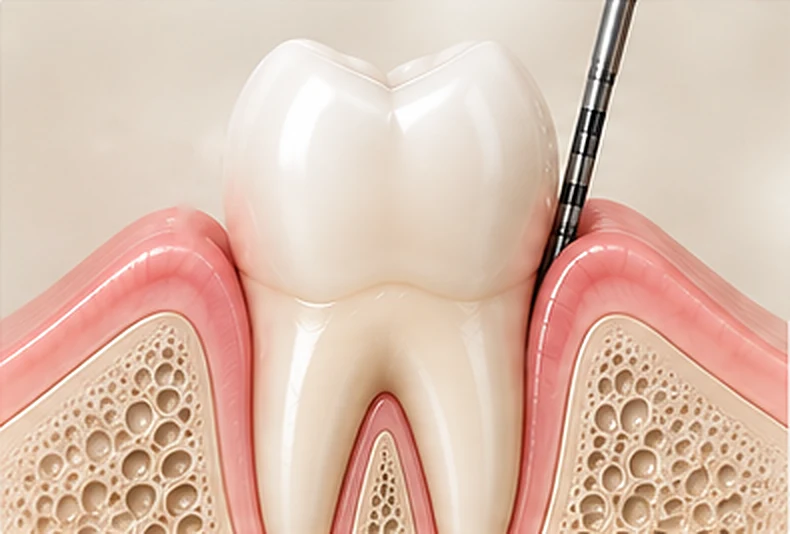
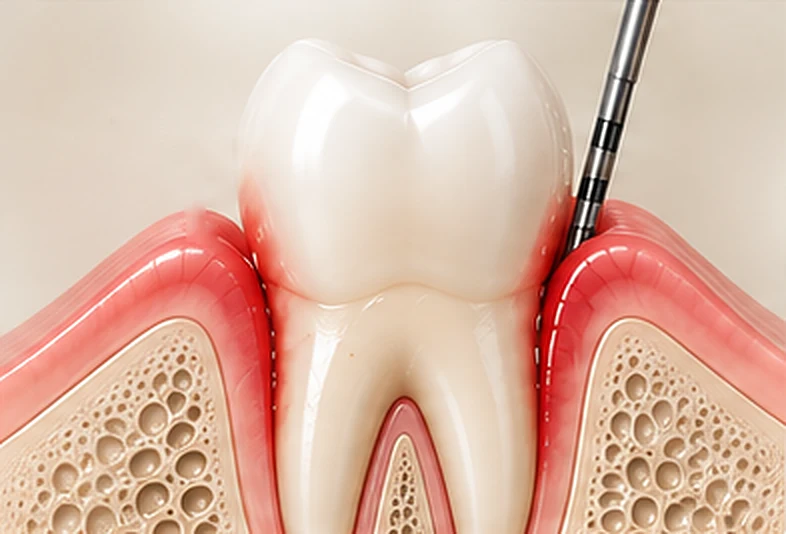
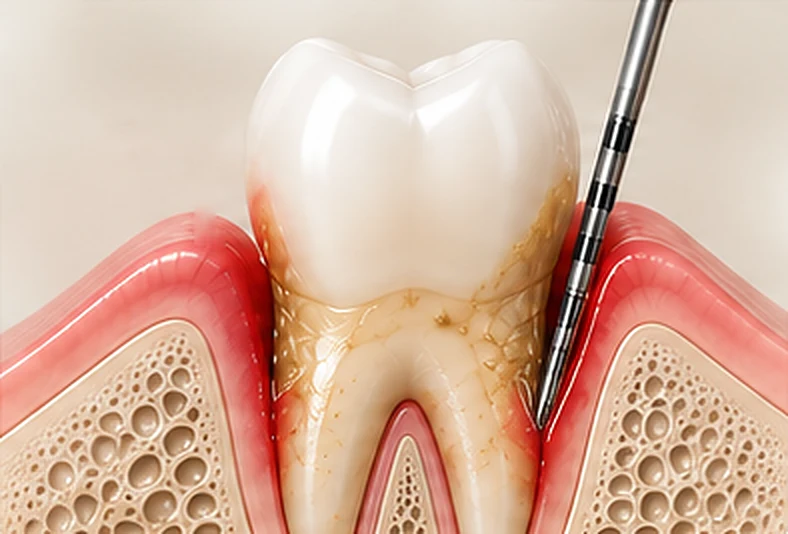
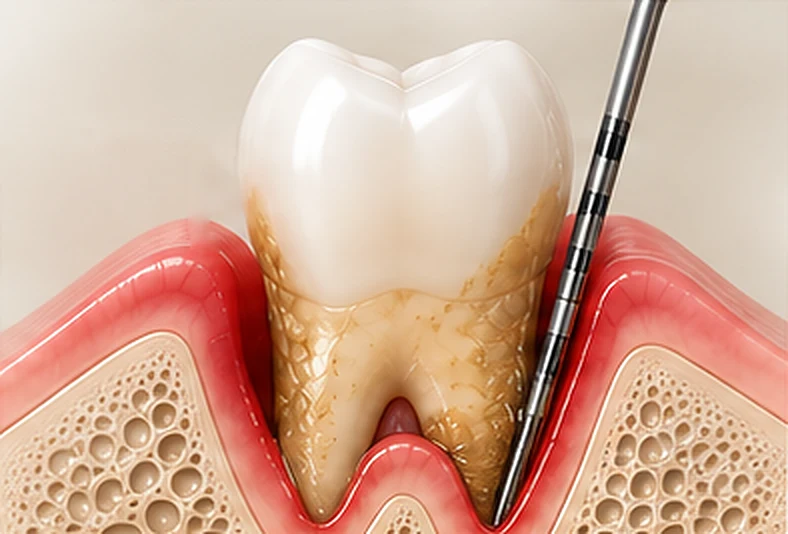
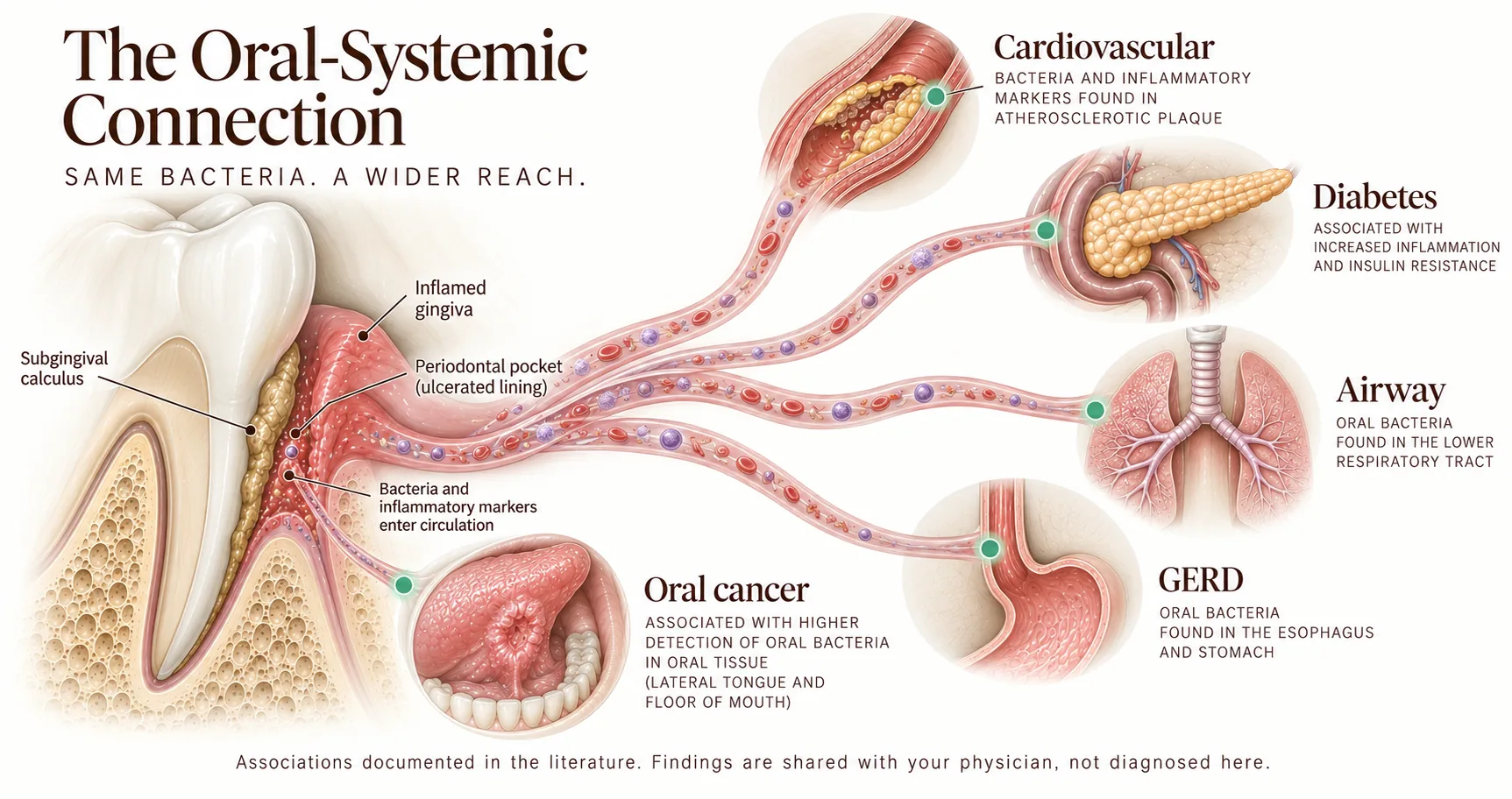
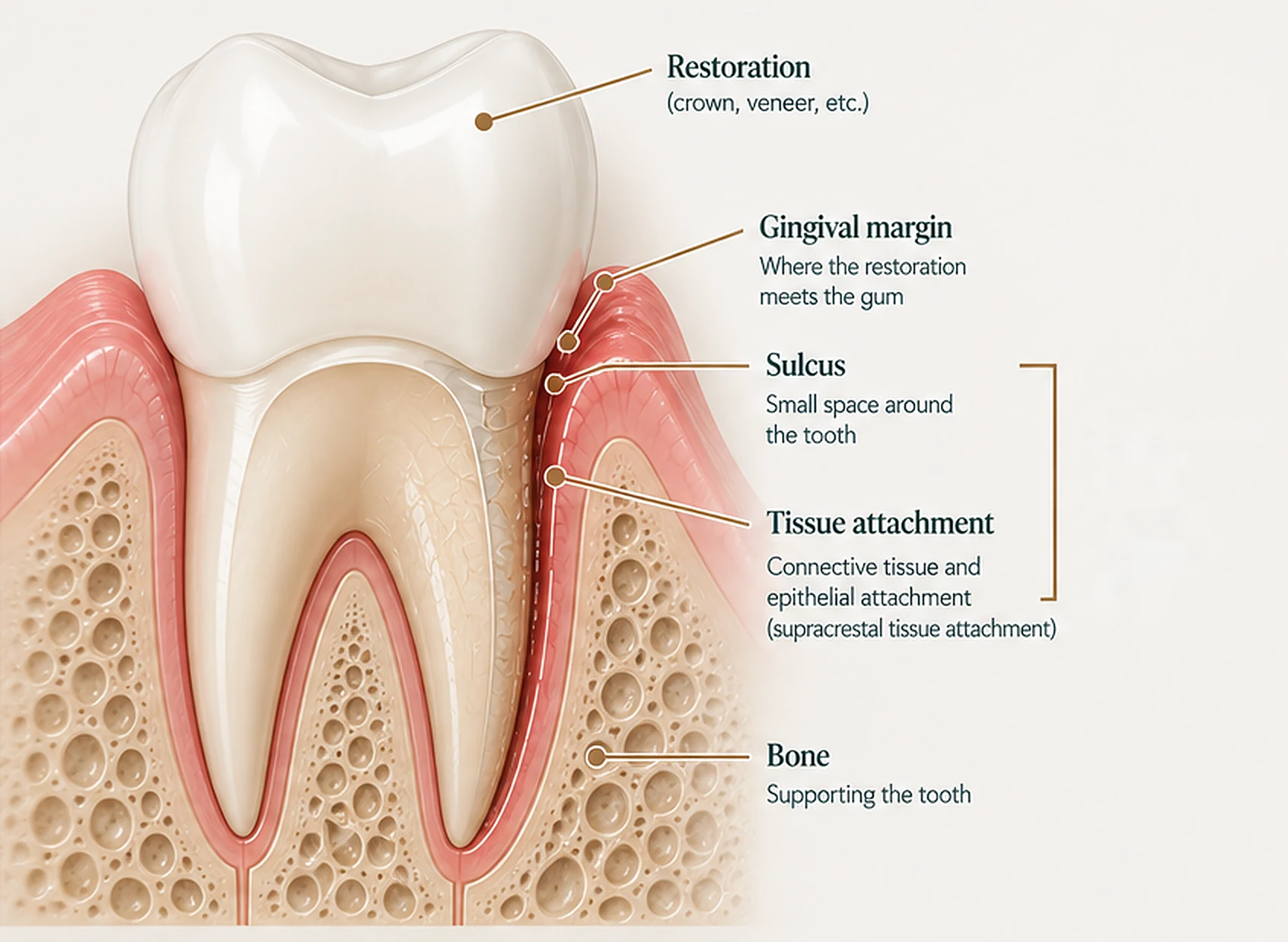
Chronic periodontal inflammation is not only a mouth problem. Bacterial species that colonise the subgingival sulcus have been detected in atherosclerotic plaque and in the lower airways, periodontal inflammation is associated with poorer glycaemic control in diabetes, and oral signs can point toward sleep apnea. The mouth is not a separate system — oral health is closely connected to overall health. At Smile Spot, every clinical finding is read in the context of the whole body it belongs to.
♥
Cardiovascular Health
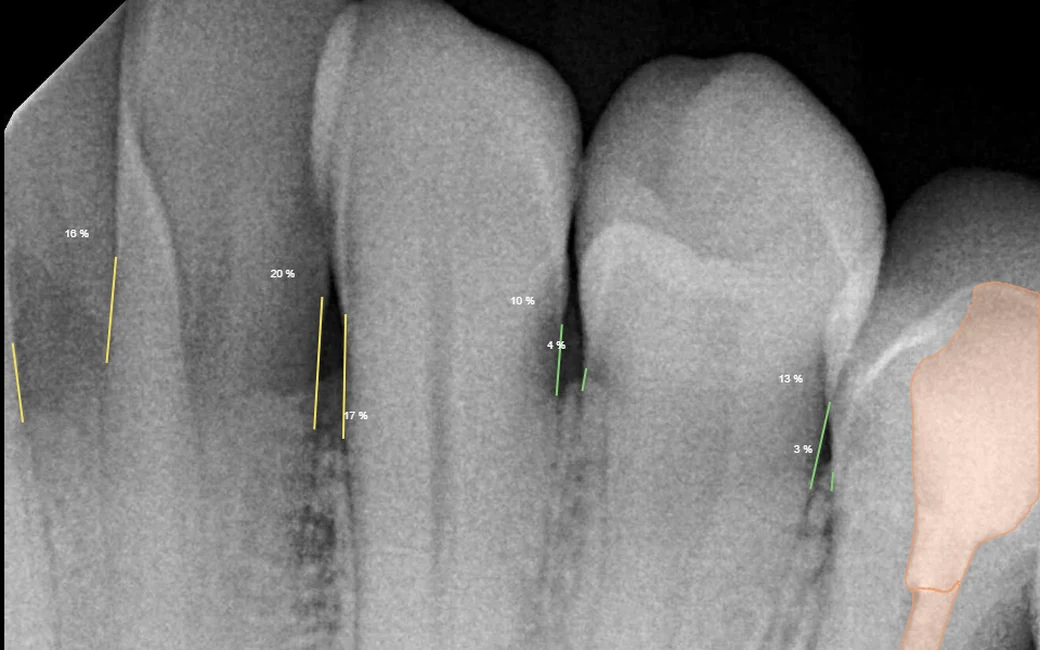
Periodontal inflammation is associated with raised systemic inflammatory markers such as C-reactive protein, which is also linked to cardiovascular risk. Studies consistently associate moderate-to-severe periodontitis with elevated cardiovascular risk. When Dr. Sellappan finds significant periodontal disease, she communicates this finding explicitly and recommends the patient discuss it with their physician — particularly if they have existing cardiac history.
Clinical indicator: Generalised bleeding on probing, deep pocketing, bone loss on radiographs combined with a history of hypertension or elevated cholesterol.
■
Diabetes
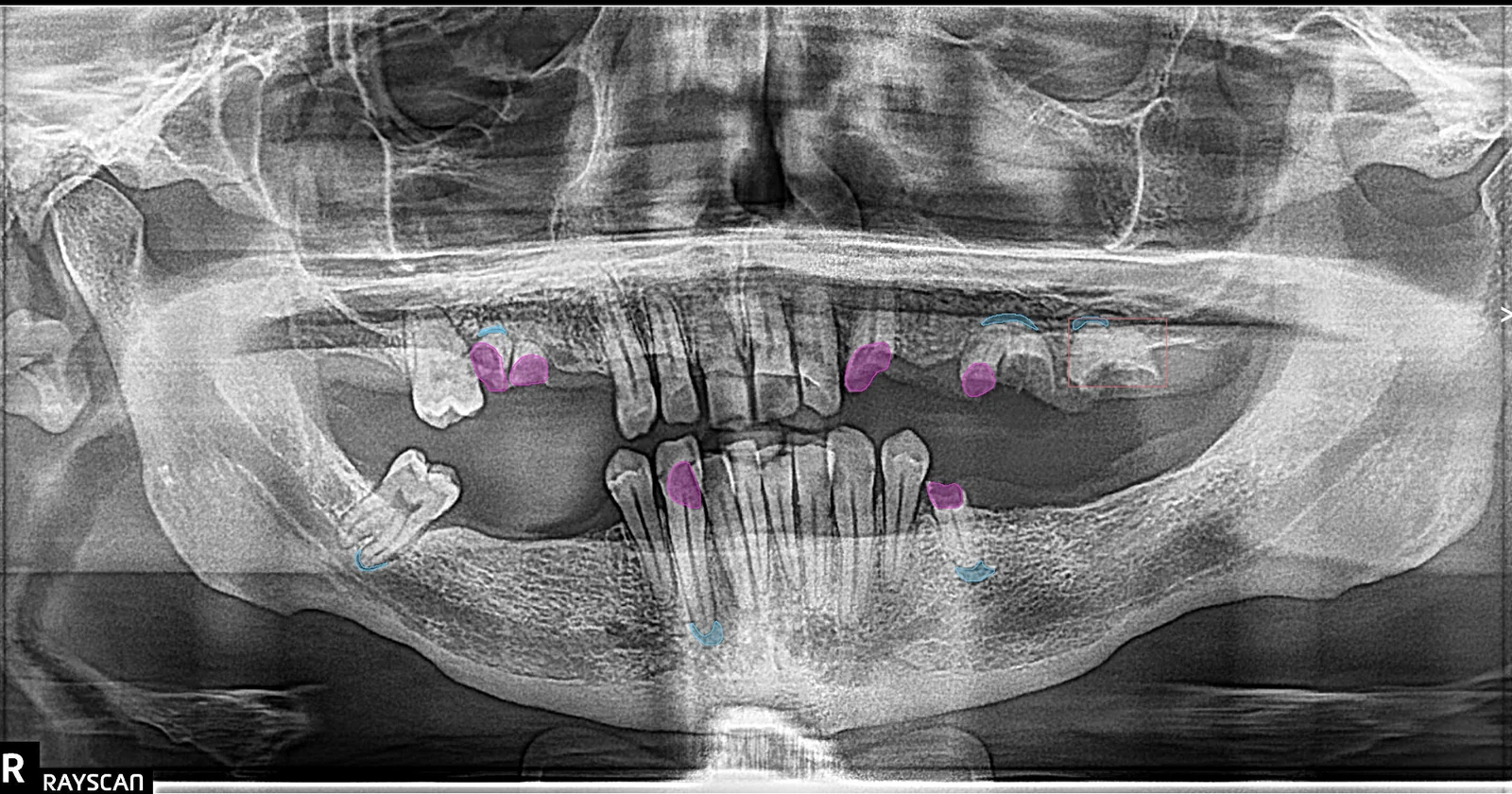
The relationship between diabetes and periodontal disease is bidirectional. Poorly controlled blood sugar impairs immune response and accelerates attachment loss. Conversely, untreated periodontal infection worsens glycaemic control — inflammatory cytokines are thought to interfere with insulin signalling. Studies suggest periodontal treatment can modestly improve HbA1c in people with diabetes. Dr. Sellappan discusses this relationship with patients whose charting and healing patterns suggest compromised immune response.
Clinical indicator: Rapidly progressing bone loss disproportionate to local factors, impaired healing after perio treatment, history of Type 2 diabetes.
◆
Sleep Apnea & Airway
The oral examination can show possible signs of sleep-disordered breathing: a scalloped tongue (lateral indentations from teeth contact during sleep), worn posterior teeth that may reflect nighttime grinding, which can accompany airway obstruction, tonsillar hypertrophy, a high narrow palate, and retrognathic jaw position. When these findings cluster, Dr. Sellappan raises the question directly and recommends formal sleep evaluation by a physician. She does not diagnose sleep apnea — she identifies the oral signatures and ensures the patient is aware they exist.
Clinical indicator: Scalloped tongue, severe nocturnal bruxism wear patterns, narrow arch, retrognathic profile, patient reporting fatigue or non-restorative sleep.
△
Acid Reflux & GERD
Gastric acid erodes tooth enamel from the palatal surfaces inward — a pattern that often differs from dietary acid erosion or bruxism wear. A typical presentation is smooth, glassy erosion on the palatal surfaces of the upper anterior teeth and the occlusal surfaces of the lower molars. When Dr. Sellappan identifies this pattern, she asks specifically about reflux symptoms and dietary acid exposure, and recommends the patient discuss it with their physician if they have not already been diagnosed.
Clinical indicator: Smooth palatal erosion on upper anteriors, cupped-out occlusal surfaces on lower molars, patient history of heartburn or regurgitation.
○
Oral Cancer Screening
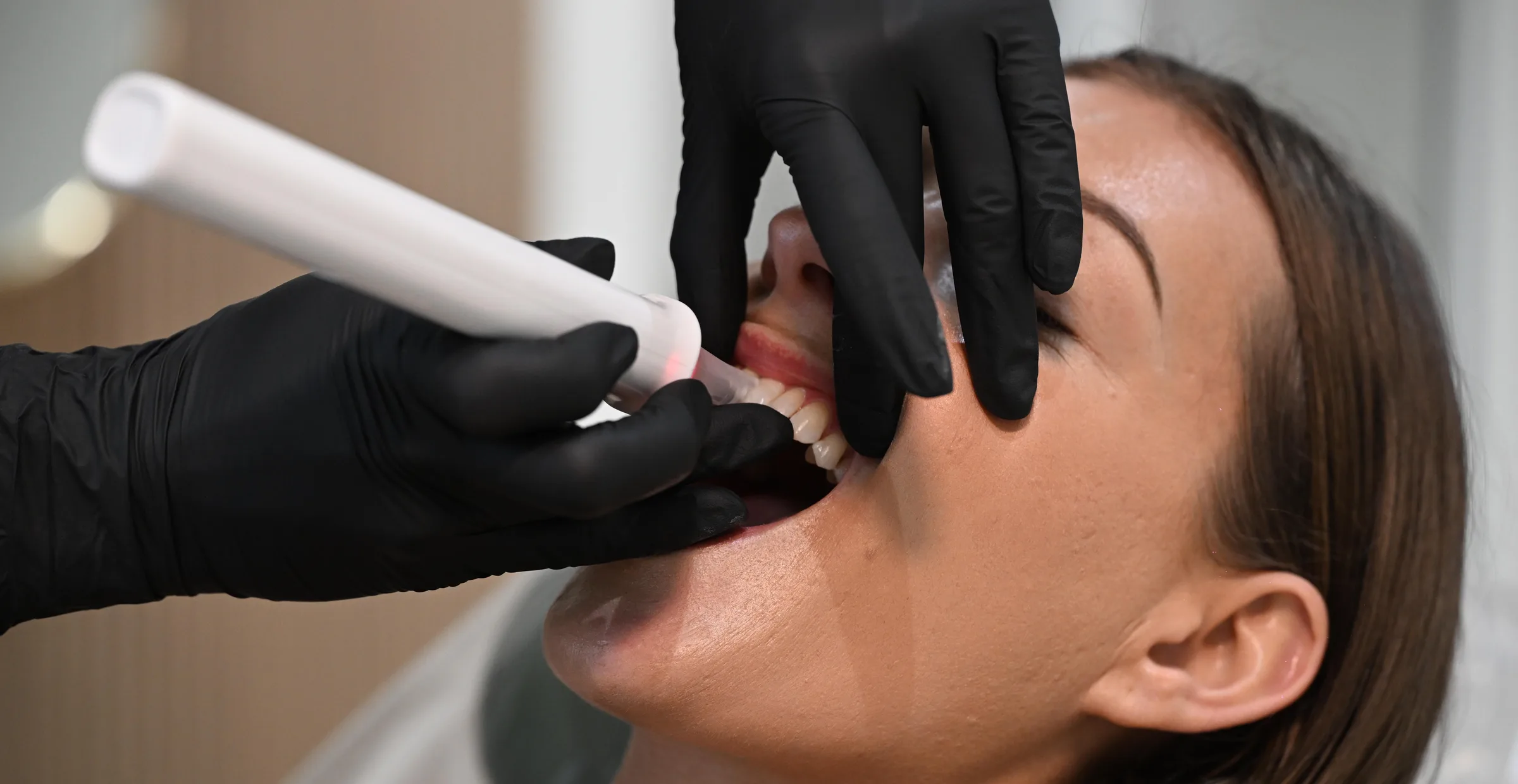
Oral cancer screening is performed at routine hygiene visits — a visual and tactile examination of all soft tissue surfaces including the lips, buccal mucosa, hard and soft palate, oropharynx, tongue (dorsal and ventral surfaces), floor of the mouth, and the tissues of the tonsillar pillars. Any suspicious lesion — white patch, red patch, ulceration persisting beyond two weeks, or indurated tissue — is documented and referred for further evaluation, which may include biopsy. Oral cancer found at an early, localised stage has a much higher five-year survival rate than cancer found after it has spread (National Cancer Institute SEER data). The examination takes a few minutes and is included in routine dental checkups at Smile Spot.
Risk factors discussed when present: tobacco use (any form), heavy alcohol use, HPV history, prolonged sun exposure to the lips, personal or family history of head and neck cancer.
We don’t diagnose systemic disease from the dental chair.
We pay attention to what the mouth may be telling us.