
One tooth.
Replaced permanently.
The right way.
A single missing tooth is never just cosmetic. It's a gap in your bone, your bite, and your confidence. A single tooth implant is the most permanent way to replace missing teeth — independently, and without touching the teeth beside it.
“A missing tooth isn’t just a gap — it’s a loss of stimulation to the bone beneath it. A dental implant replaces the missing root, helping support the bone while restoring the tooth above.”
— Dr. Meenachi Sellappan, DDS
Kois Center Graduate · Venice, Florida
What exactly is
a dental implant?
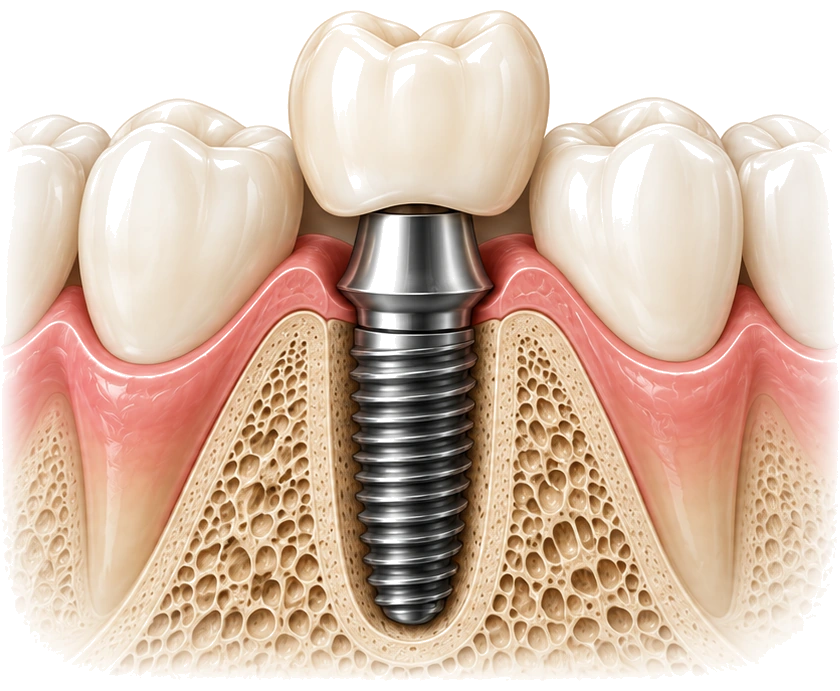
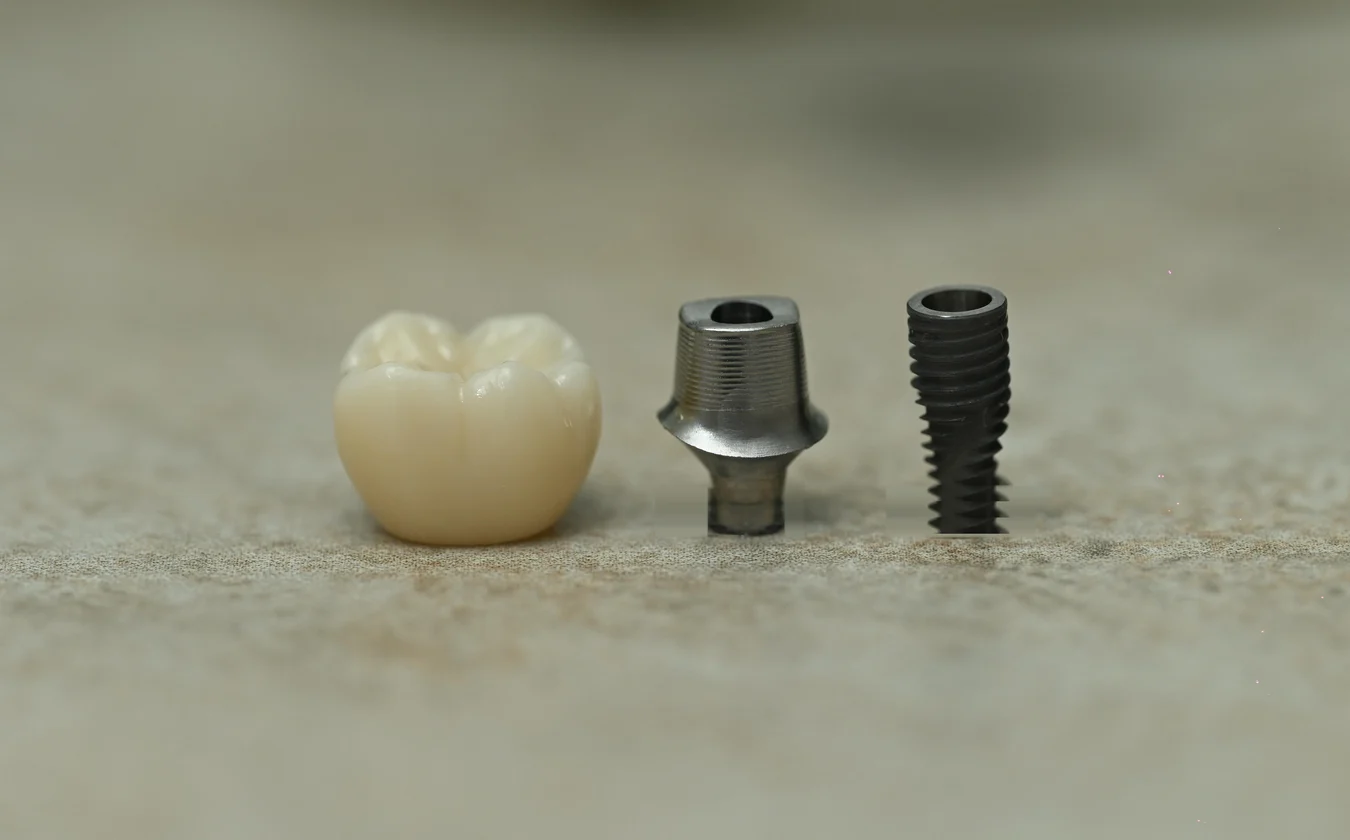
A dental implant is a three-part permanent tooth replacement — the only restoration that replaces the tooth at root level, helping support the bone beneath it.
Titanium Post
Placed directly into the jawbone. Fuses with bone tissue through osseointegration — creating a bond as strong as a natural root. Helps maintain bone density over the long term.
Implant Abutment
The precision connector between the post and the crown. Emerges through the gum tissue at exact emergence profile — zero micro-gap at the margin.
Porcelain Crown
Custom-shaded to match your adjacent teeth in color, shape, and translucency. IPS e.max or Monolithic Zirconia — hand-characterized by master ceramists. Indistinguishable from the teeth beside it.
Your anatomy determines
the path forward.
A single tooth implant may be appropriate when one tooth is missing, fractured beyond repair, or cannot be predictably saved. The decision depends on more than the gap itself. We evaluate the bone, gum tissue, neighboring teeth and the way your bite functions before recommending treatment — then build a personalized plan around what we find. Implant placement is outpatient, and most patients return to normal activity within a day or two.
What we assess
Jawbone
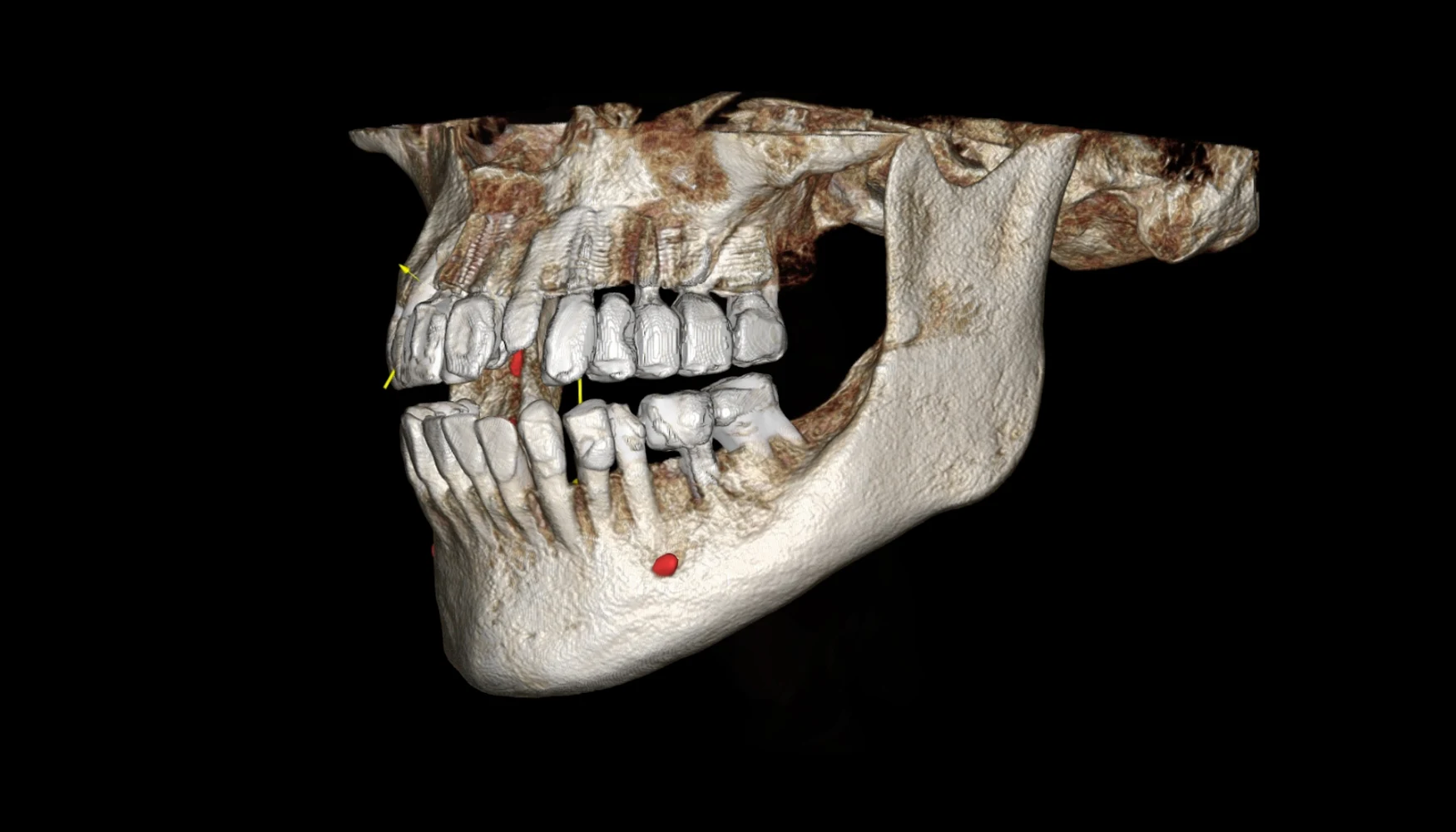
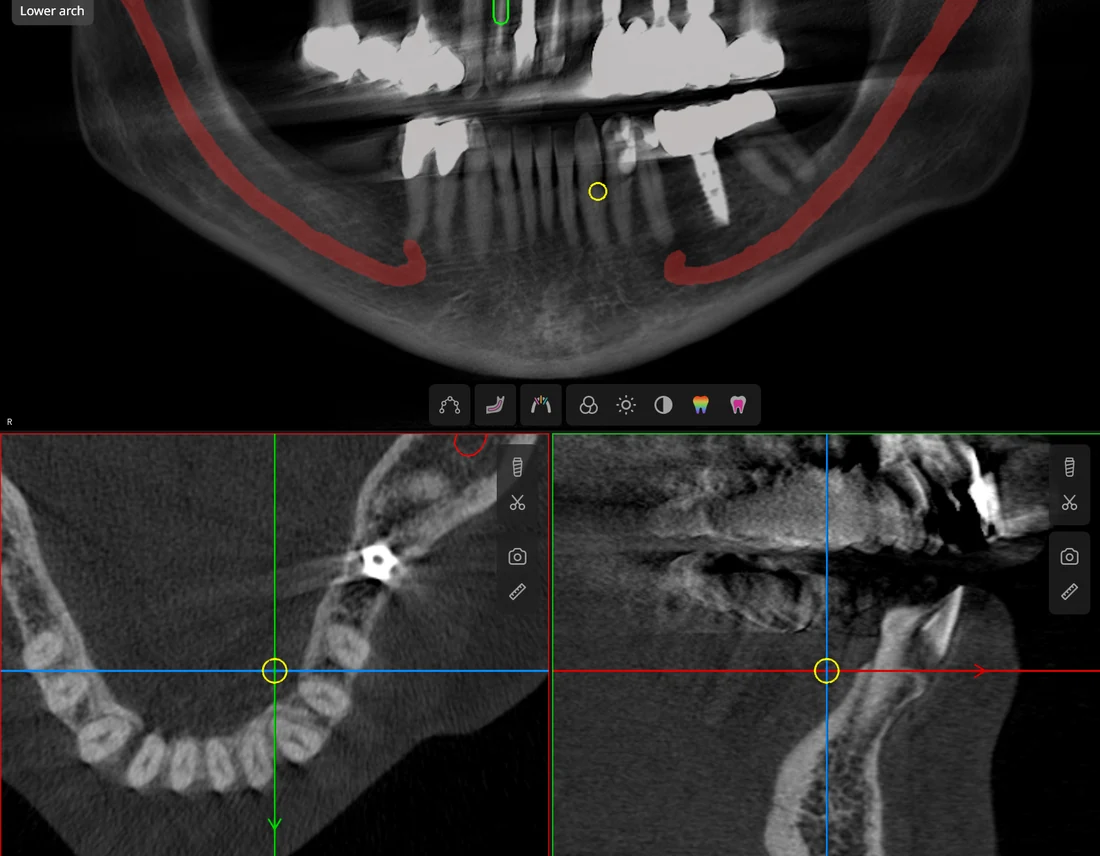
CBCT evaluates bone volume, density and surrounding anatomy. If bone has resorbed, that is a planning variable — not a disqualifier; a bone graft rebuilds the foundation before placement.
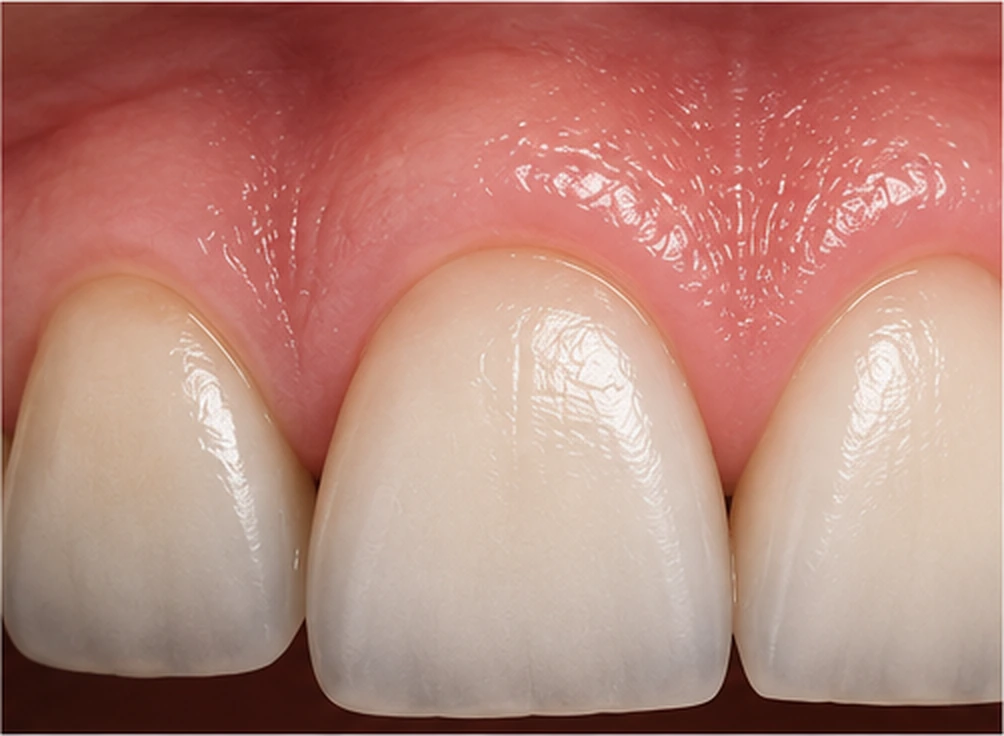
Gum health
Healthy tissue supports healing and a stable seal around the implant. If periodontal disease is present, it is treated before surgery begins.
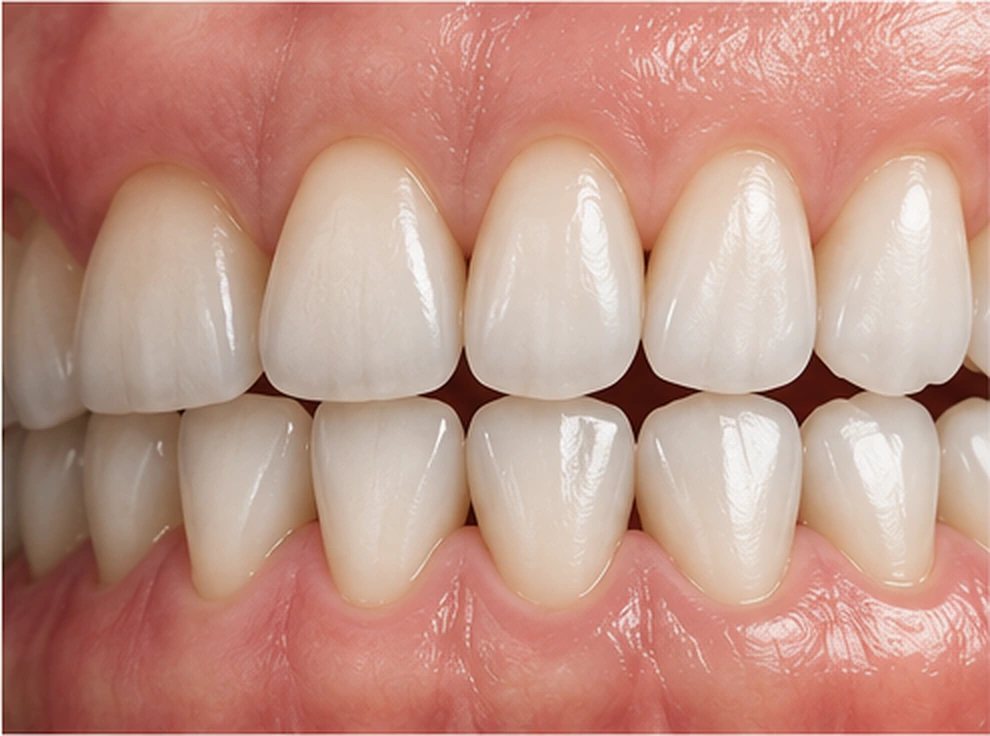
Overall health
Medical history and healing factors are considered before surgery. Conditions like diabetes are managed in collaboration with your care team, since systemic wellness supports osseointegration.
If preparation is needed first
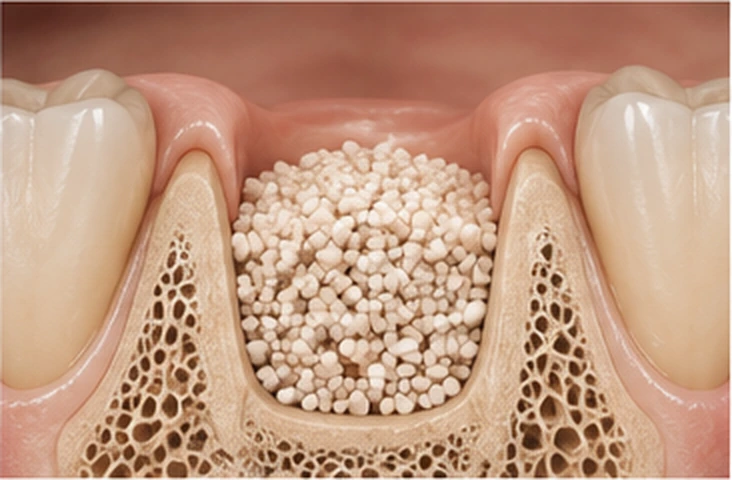
Bone graft
Rebuilds insufficient ridge volume to create a stable implant foundation before placement.
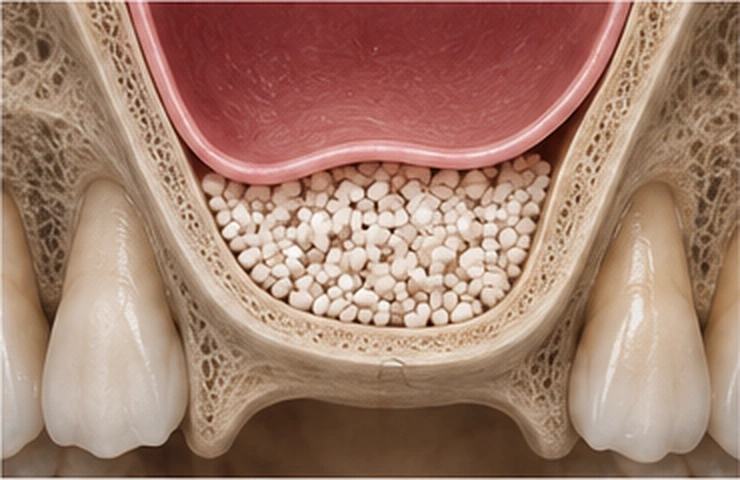
Sinus elevation
For upper jaw cases near the sinus cavity. Gently lifts the sinus floor to create safe, predictable space for the implant.
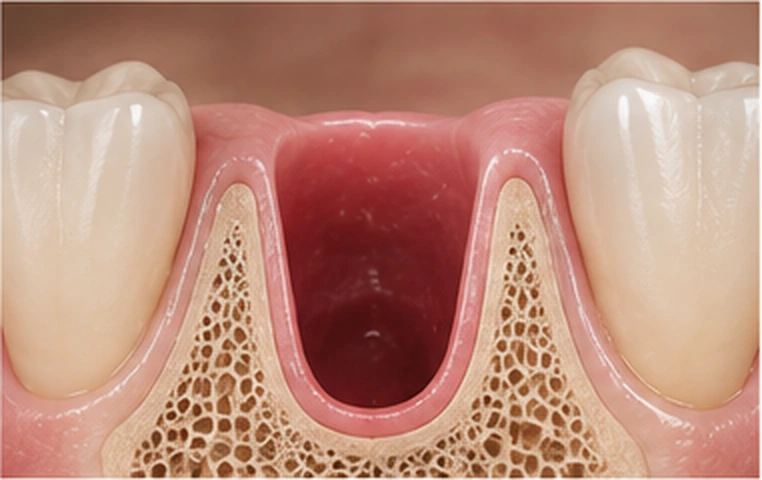
Tooth extraction
If a failing tooth is still present, a conservative tissue-preserving extraction is performed before or at the time of placement.

Smoking
Active smoking significantly impairs osseointegration. Cessation before and during the healing phase is required for predictable long-term success.
Your first visit
Your CBCT scan shows us what is present, what is needed and what the path forward looks like — before treatment begins.
No pressure. No financial surprises. Just clarity. Kois Center Restorative Philosophy
Smile Spot Dentistry · Venice, FL
Built like nature
intended it. Biomimetic.
At Smile Spot, every implant case is guided by the same biomimetic principles Dr. Sellappan applies to all restorations — occlusal harmony, soft tissue architecture, and long-term structural integrity. Implant dentistry is not just about placing a post. It is about recreating the biological environment that keeps the restoration stable for life.
“We don't just replace a tooth. We restore what nature intended.”
— Dr. Meenachi Sellappan, DDS
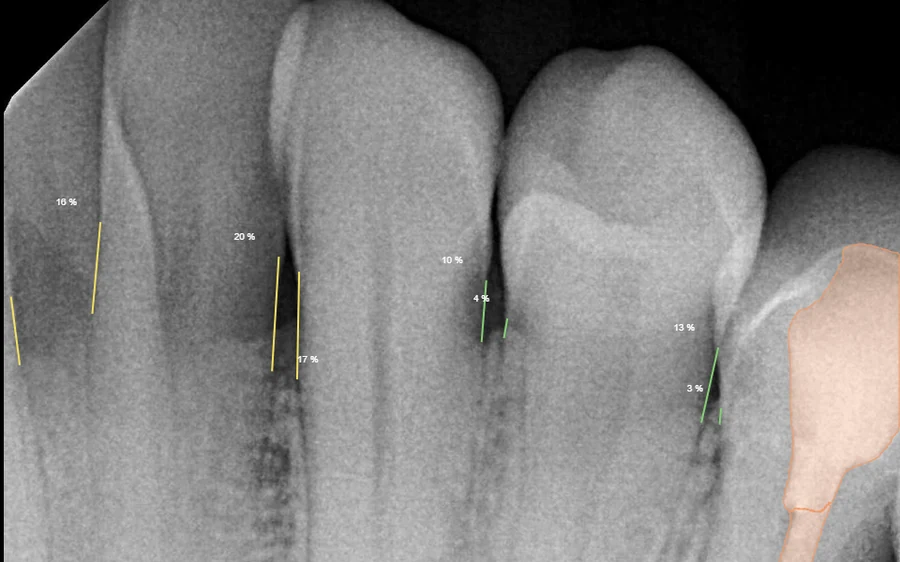
Diagnostic imaging
Pearl AI diagnostic imaging verifies bone levels and helps detect any pathology around adjacent teeth — both before treatment begins and after the final crown is seated.
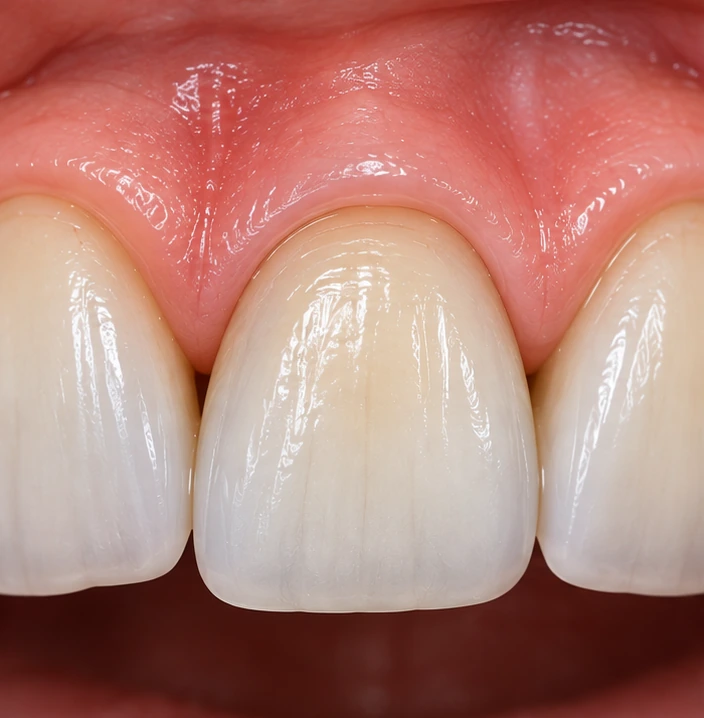
Soft-tissue architecture
Soft tissue architecture is carefully managed throughout to prevent the “long tooth” appearance and maintain a healthy, natural gum margin around the final crown.
Biologic healing
Where indicated, PRF — platelet-rich fibrin concentrated from your own blood — may be applied at the surgical site to support osseointegration and reduce post-operative inflammation naturally.
PubMed — Platelet-Rich Fibrin in Implant Surgery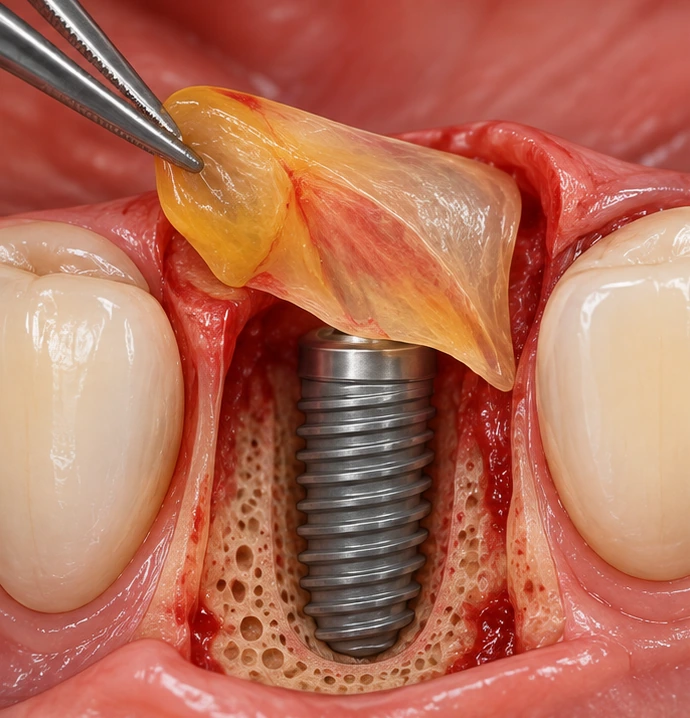
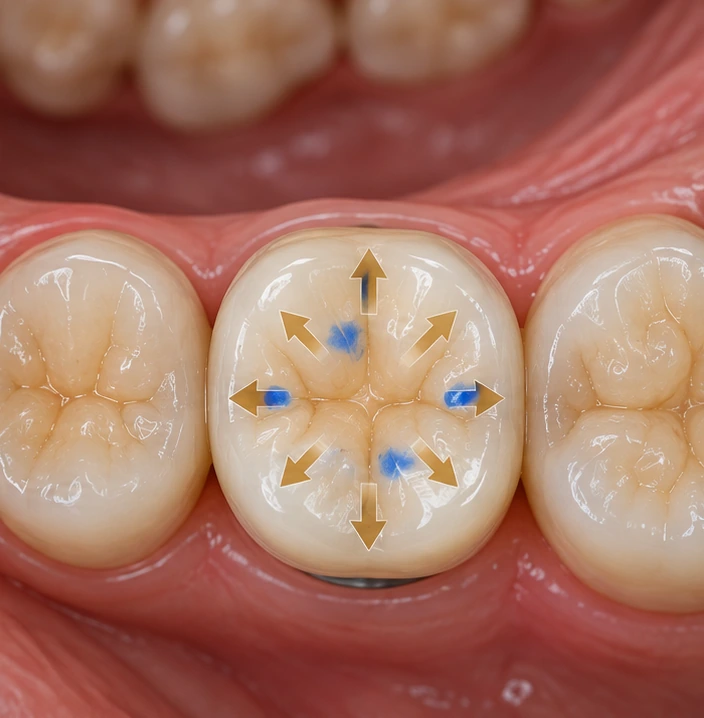
Functional load
Bite forces are distributed using the Kois Center occlusal framework — protecting the implant crown from premature wear and lateral loading for the long term.
Final ceramic
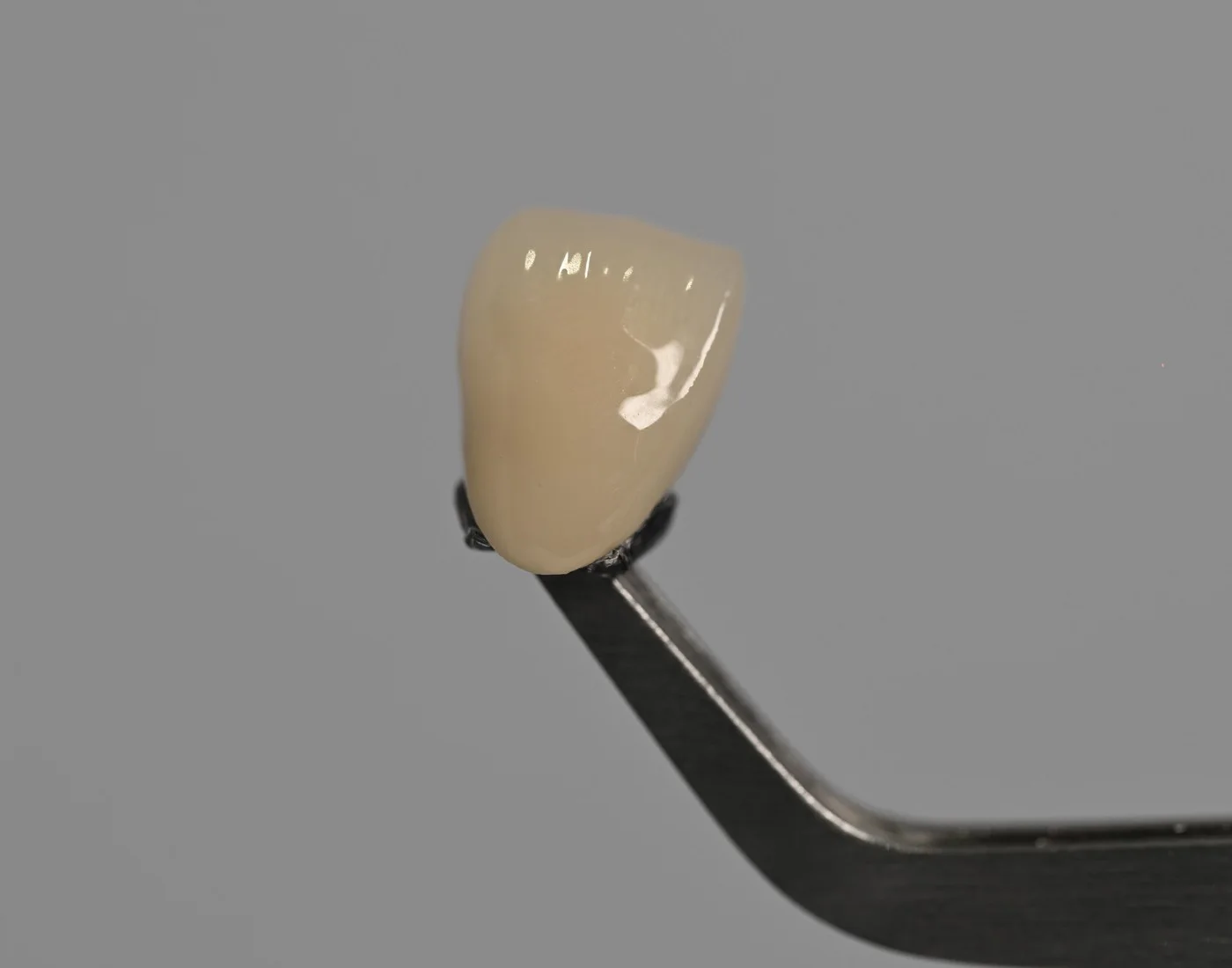
The final crown — IPS e.max or Monolithic Zirconia — is digitally engineered from Dr. Sellappan's exact iTero data, then hand-characterized by a master ceramist for a microscopic, passive fit. Dr. Sellappan seats it. No outside restorative provider involved.
How long does a single
tooth implant actually take?
The honest answer: it depends entirely on your bone. At Smile Spot Dentistry in Venice, Florida, Dr. Sellappan uses CBCT-guided planning to determine whether a single tooth implant can be placed directly, whether a sinus lift and bone graft can be completed at the same appointment, or whether a staged approach provides the more appropriate foundation.
Your path isn't determined by a single measurement.
Dr. Sellappan evaluates your CBCT, bone volume and quality, sinus anatomy, implant stability requirements and the tooth being replaced before recommending a simultaneous or staged approach.
Healthy bone
When adequate bone is present.
Simultaneous sinus lift
When additional bone is needed but implant placement can be performed at the same visit.
Staged sinus lift
When the site needs to heal before an implant can be predictably placed.
Path A: Healthy bone
Implant placement and healing in existing bone.
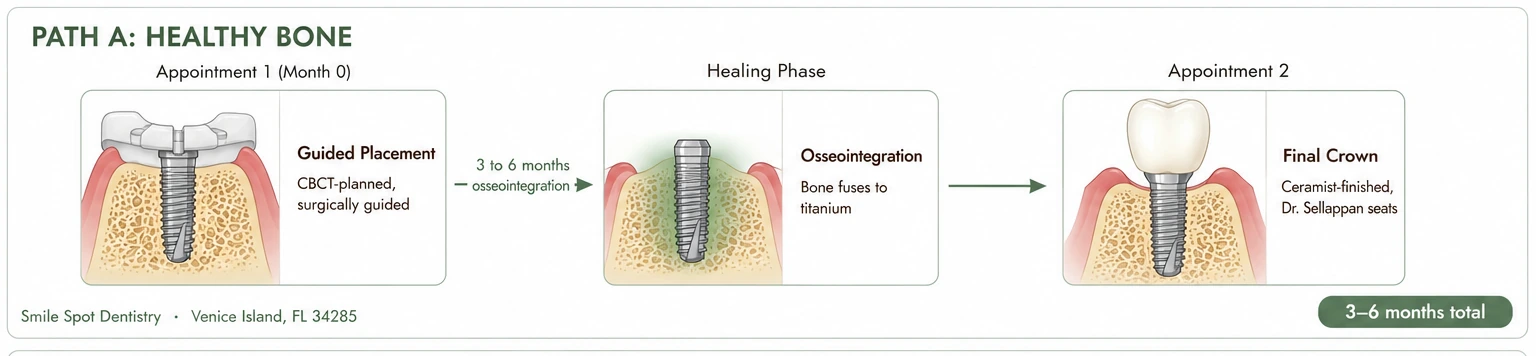
3–6 monthstotal timeframe
Path B: Simultaneous sinus lift
Sinus elevation and implant placement at the same appointment.
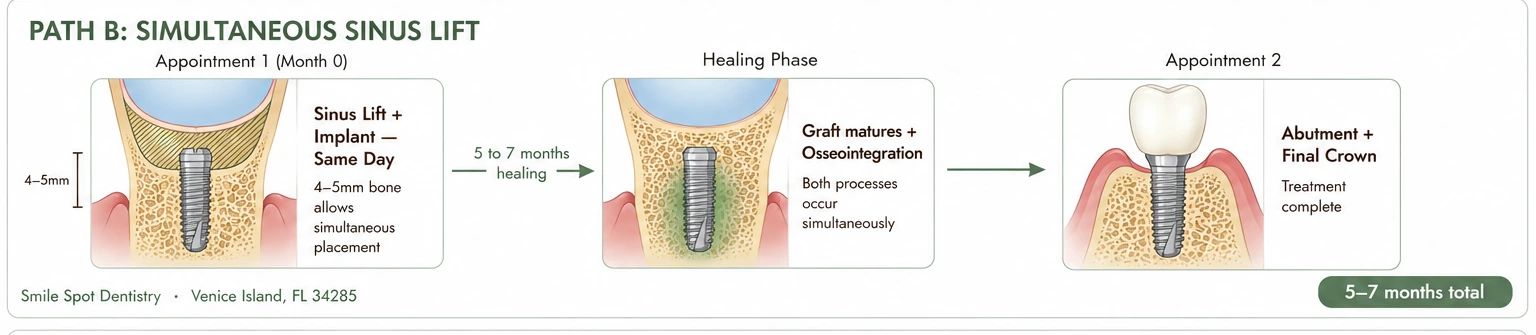
5–7 monthstotal timeframe
Path C: Staged sinus lift
Bone graft heals first, then implant placement.
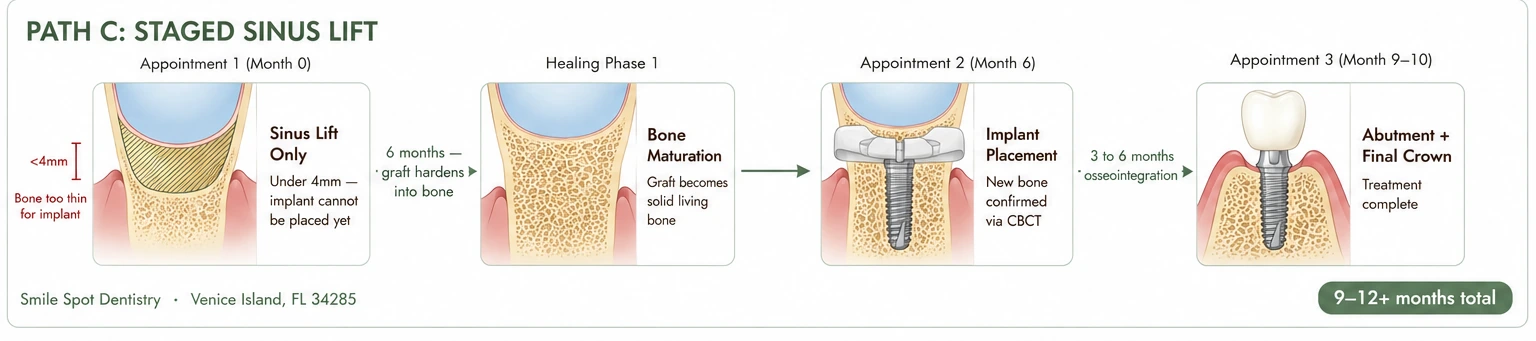
9–12+ monthstotal timeframe
A note on “same-day teeth”
Any tooth placed the same day as implant surgery is a provisional — a temporary resin crown designed to sit out of active bite contact while osseointegration occurs over 3 to 6 months. No office anywhere delivers a permanent ceramic crown on surgery day. The permanent crown comes only after bone integration is confirmed via follow-up scan. At Smile Spot, where primary stability metrics allow, Dr. Sellappan places a provisional the same day — but we are precise about what it is, what it is not, and exactly what comes next.
Another possibility
For some upper jaw cases with limited bone, a short implant — typically 4 to 6mm — may be appropriate and can sometimes be placed without a sinus procedure. Short implants carry slightly different long-term survival data than standard-length implants. Dr. Sellappan will review whether this option fits your specific anatomy at your CBCT consultation — before any clinical work begins and with no obligation.
Implant vs. Bridge.
Two ways to replace one tooth.
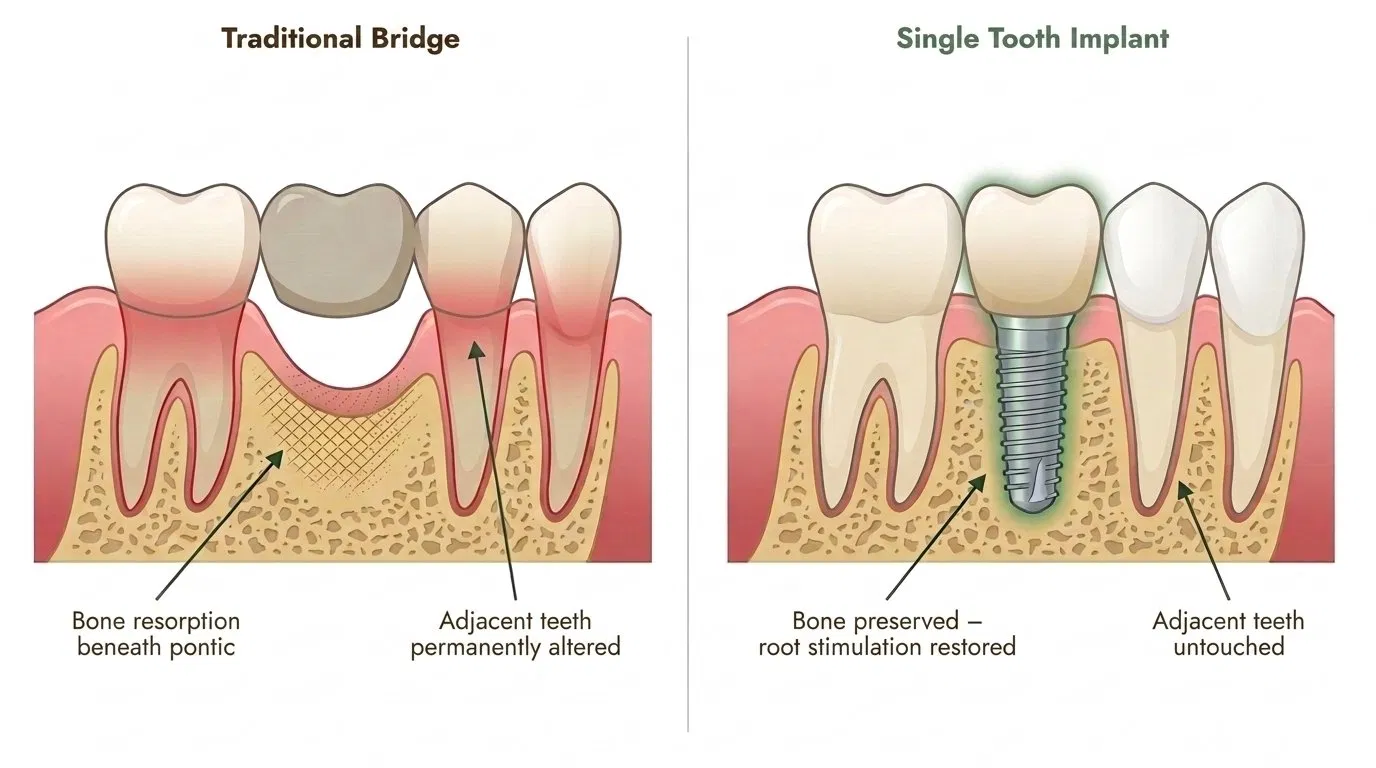
Neighboring teeth
Supporting teeth are prepared to retain the bridge.
The implant is supported independently without preparing adjacent teeth.
Bone beneath the replacement
A pontic replaces the visible tooth but does not replace the missing root, so the bone beneath it continues to resorb — a process called resorption.
The implant fixture functions as a root-form replacement and transfers load into surrounding bone.
Daily care
Cleaning requires floss threaders or other methods beneath the pontic.
The crown is generally brushed and flossed like a natural tooth, with implant-specific hygiene as advised.
Long-term maintenance
Bridges and their supporting teeth require ongoing monitoring and may need replacement over time.
Implants and crowns also require ongoing maintenance; long-term outcomes depend on health, hygiene, loading and other factors.
Which approach is right for you?
It depends on the condition of your neighboring teeth, available bone, bite, overall health and your treatment priorities. Dr. Sellappan evaluates these factors with a clinical exam and CBCT imaging before recommending either option.
Everything you wanted to ask.
How long does the single tooth implant process take?
The surgical placement is a single appointment. After placement, osseointegration — the biological process by which the titanium implant fuses with the jawbone — takes 3 to 6 months depending on bone density and healing response. Where clinically indicated, PRF may be applied to support healing. The final custom porcelain crown is placed at a subsequent appointment once integration is confirmed.
Is the dental implant procedure painful?
The procedure is performed under local anaesthetic. Nitrous oxide sedation is available for anxious patients. Most patients are surprised by how minimal the discomfort is. Post-operative discomfort is typically mild — manageable with over-the-counter pain relief for 1 to 3 days. Where clinically indicated, PRF may be applied during surgery to further support healing by introducing concentrated growth factors into the surgical site.
How long does a single tooth implant last?
With regular brushing, flossing, and professional cleanings, the titanium implant post itself can last a lifetime — it does not decay. Clinical studies report single tooth implant survival rates above 95% at 10 years. The porcelain crown may need replacing after 15 to 20 years depending on wear and occlusal forces. Overall, an implant is the most durable permanent tooth replacement available.
What does a single tooth implant cost in Venice, Florida?
Most single tooth implant cases at Smile Spot begin in the range of $3,800 to $6,500. This reflects comprehensive surgical planning, CBCT-guided precision placement, the final crown restoration — a master-characterized IPS e.max or Monolithic Zirconia ceramic, seated by Dr. Sellappan. The final investment depends entirely on your existing bone architecture — factors such as bone density loss at the extraction site, proximity to the sinus floor, or the need for a bone graft are mapped precisely during your diagnostic visit. Your initial evaluation includes a complete, line-item fee breakdown before any clinical intervention begins. Most dental insurance plans do not cover dental implants, though HSA and FSA funds are eligible. Smile Spot accepts CareCredit and Cherry financing.
Smile Spot Dentistry accepts both CareCredit and Cherry financing. CareCredit offers healthcare-specific financing with promotional 0% APR periods — you can apply online in minutes or at your consultation. Cherry offers fast approval with a soft credit check and flexible implant payment plan options, so you can begin treatment without a large upfront payment. Our team will walk you through both options at your first visit.
Does dental insurance cover single tooth implants?
Most dental insurance plans do not cover implants — they are typically classified as a restorative elective rather than a medically necessary procedure. However, if the tooth loss was due to an accident or injury, some plans may contribute toward a portion of the cost. HSA and FSA funds are eligible and can be applied directly to your treatment. CareCredit and Cherry financing are both accepted at Smile Spot, with flexible payment plans available. Your initial evaluation includes a complete, line-item fee breakdown so you know exactly what to expect before any clinical work begins.
Am I a candidate for a single tooth implant?
Ideal candidates have adequate jawbone density, healthy gum tissue, and no uncontrolled systemic conditions that impair healing. A CBCT 3D scan at your consultation will determine bone volume and density precisely. If bone loss is present — which is common after extraction — a bone graft can often create the necessary foundation. Dr. Sellappan will assess your CBCT imaging at your first visit and walk you through every option available.
Can I get a tooth the same day as my implant?
Where your primary stability metrics allow, Dr. Sellappan can place a tooth the same day as surgery — but it is a provisional: a temporary resin crown designed to sit out of active bite contact while osseointegration occurs over 3 to 6 months. No office anywhere delivers a permanent ceramic crown on surgery day. Your final crown is made only after bone integration is confirmed on a follow-up scan.
Replace one tooth.
The right way.
Your consultation at Smile Spot Dentistry in Venice, Florida includes a full CBCT scan and a clear, pressure-free treatment plan. Find out if a single tooth dental implant is the right choice for you.