IPS E.max
Enamel-like beauty · Most cases
Lithium-disilicate ceramic selected for many aesthetic cases where translucency, strength and conservative preparation need to work together.
400 – 500 MPa
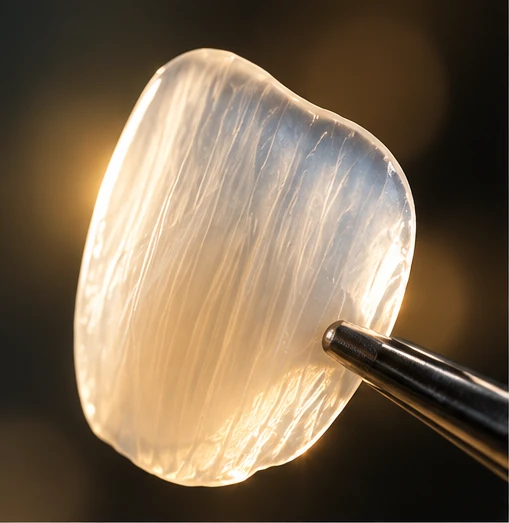

Porcelain veneers designed around facial harmony, natural light behavior, and enamel preservation — creating elegant, believable smiles without the overdone look.
"The goal is a smile that looks like it was always there."
Most people aren't looking for porcelain. They're looking for the freedom to smile without thinking about the one tooth that bothers them. Veneers may be considered when worn, chipped, discolored or uneven teeth begin to affect how you feel about your smile.
Stop checking the same tooth in every photograph.
Nothing to hide. Nothing to manage.
Look at the moment — not your teeth.
Natural-looking veneers are the result of facial analysis, proportion and material selection — not just a whiter tooth.
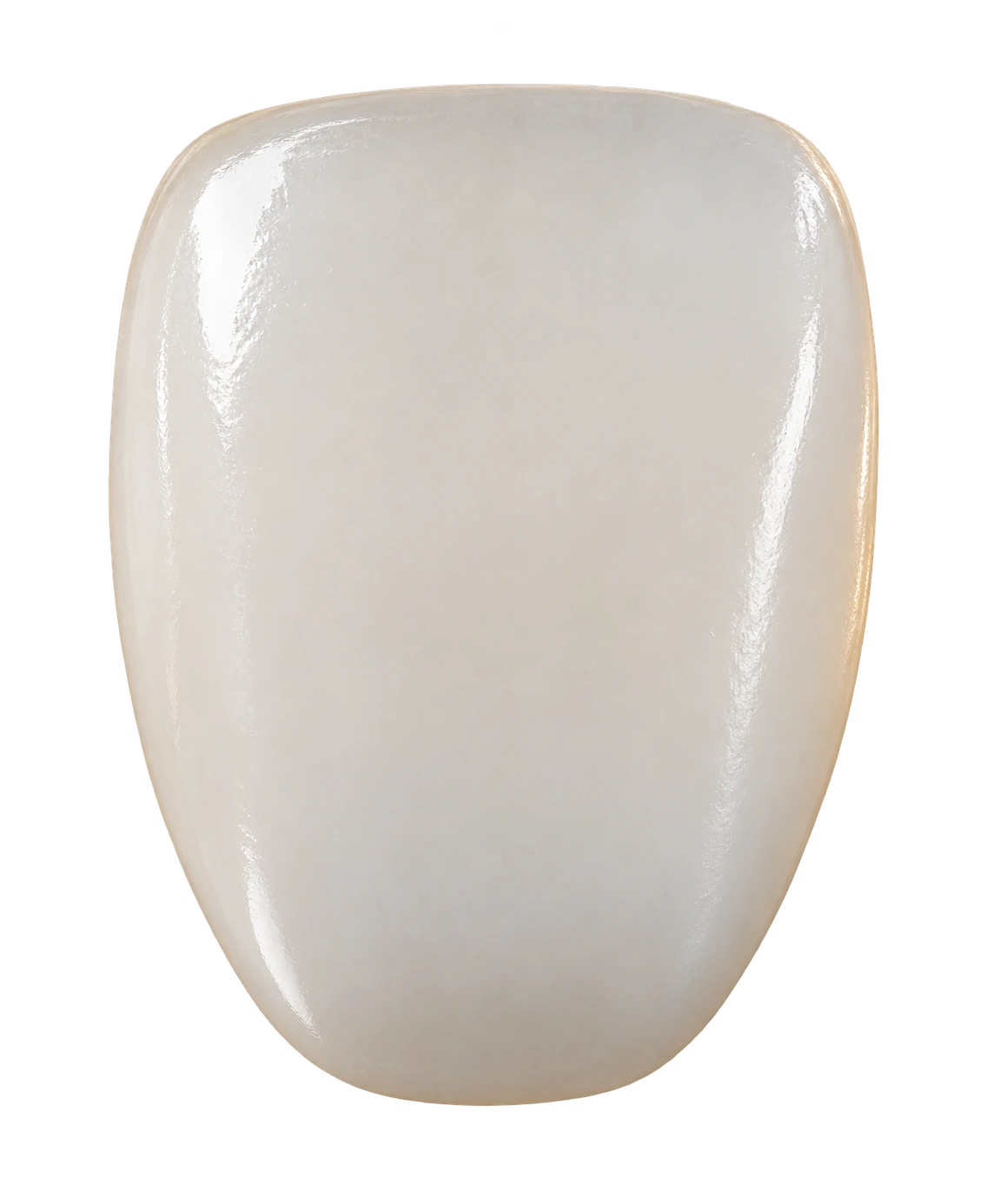
Often looks done.
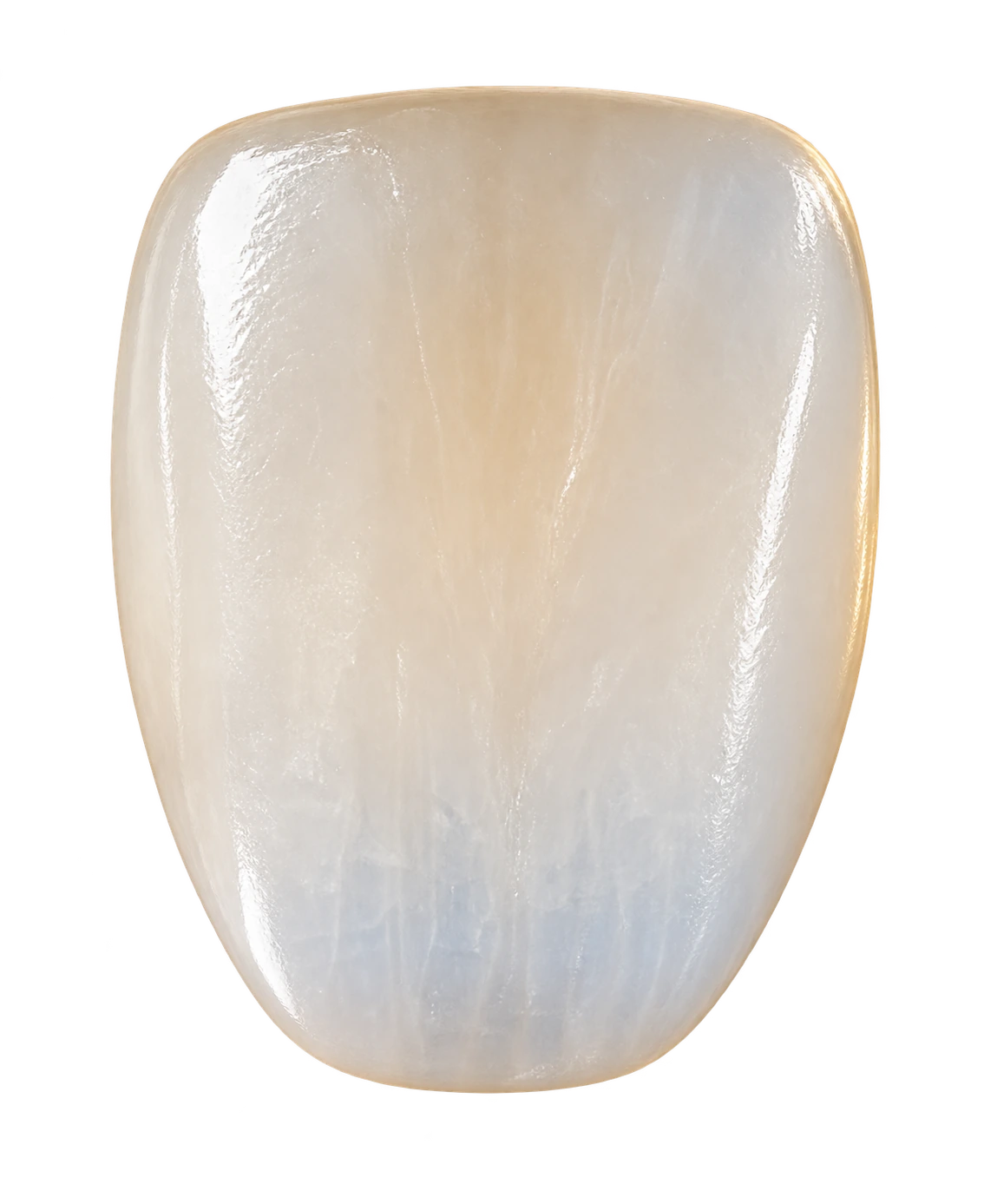
Designed to disappear.
Designed to belong to your face — not announce itself.
"Veneers should never be the first thing people notice. The smile should be."
— Dr. Meenachi Sellappan, DDS
The best veneer candidates have a specific concern they want to address — and healthy underlying teeth to build on. Dr. Sellappan will tell you honestly at a consultation whether veneers are the right solution, or whether a more conservative approach would serve you better.
Years of grinding, acid erosion or natural wear can flatten incisal edges and reduce tooth length, changing smile proportion and bite.
Visible structural damage to the front teeth can affect both appearance and function, particularly within the smile zone.
Intrinsic staining from tetracycline, fluorosis or previous root canal treatment may not respond predictably to professional whitening.
Uneven spacing, tooth size or proportions may be considered for veneers when orthodontic treatment alone won't resolve the aesthetic concern.
Aging composite bonding can stain, chip or stop matching surrounding teeth; older metal restorations may also become visible in the smile zone.
Years of wear and subtle changes in tooth length and proportion can gradually alter the appearance of the smile.
Material selection affects translucency, strength, surface character and how conservatively a restoration can be designed. Dr. Sellappan selects the ceramic — or composite alternative — after evaluating the tooth, bite, enamel and your aesthetic goal.
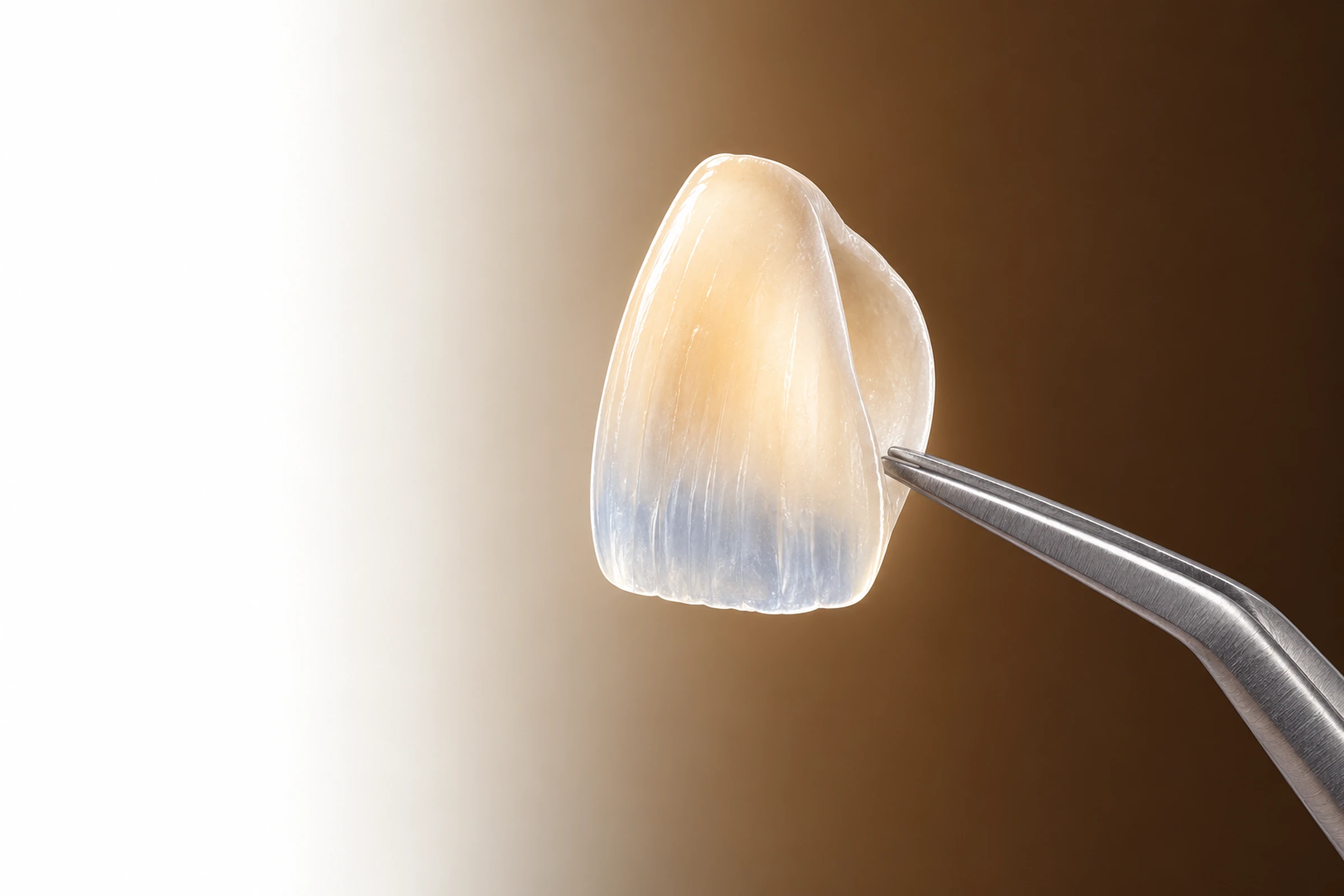
Enamel-like beauty · Most cases
Lithium-disilicate ceramic selected for many aesthetic cases where translucency, strength and conservative preparation need to work together.
400 – 500 MPa
Maximum optical characterization
Hand-layered porcelain capable of exceptional translucency, surface character and individualized optical effects in highly aesthetic cases.
60 – 70 MPa
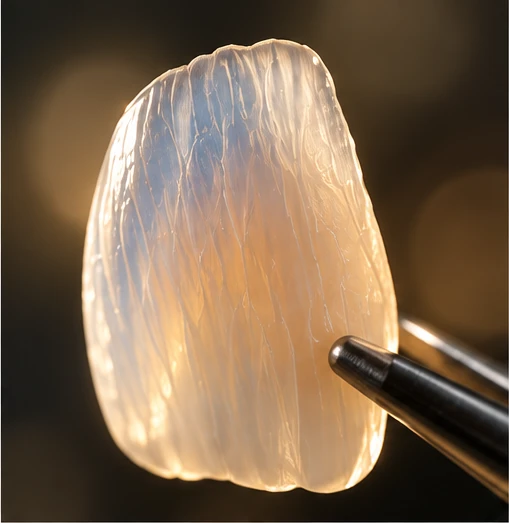
Strength where needed
A strength-focused ceramic option considered when functional demands, bite forces or extensive restorations require additional durability while still maintaining a natural appearance.
800 – 1,200 MPa
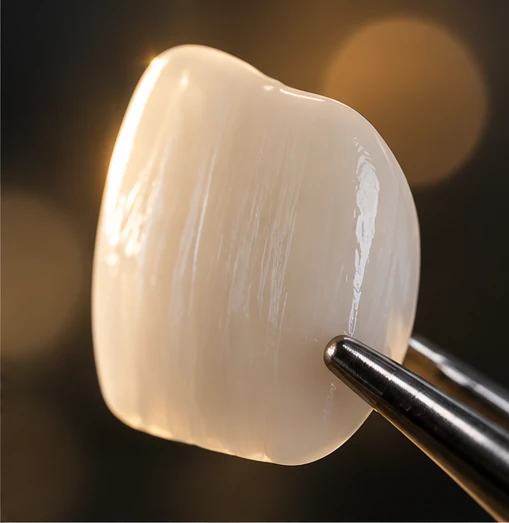
Ultra-thin · Selected cases
Ultra-thin ceramic veneers considered when little or no enamel reduction is appropriate. Not every smile is suited to an additive approach — Dr. Sellappan will determine whether it fits your case.
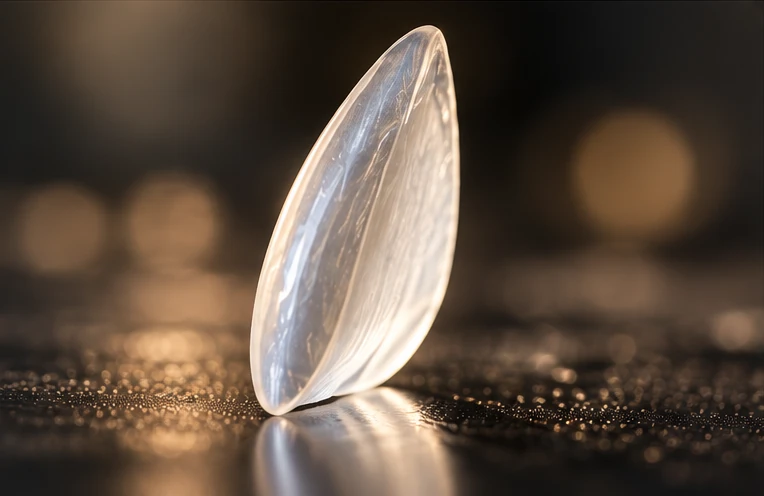
Minor corrections · Direct resin
Direct resin sculpted in a single appointment. An excellent option for minor chips, gaps and asymmetries, or as a preview before committing to porcelain.
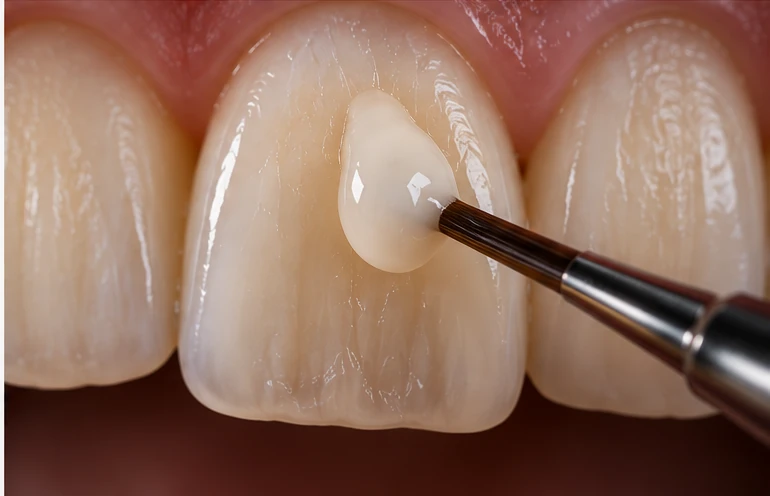
There is no best material.
Only the right material for the indication.
This is the question every thoughtful patient asks — and they're right to ask it. Veneers should be planned with a conservative, enamel-first philosophy. The amount of enamel preparation depends on your specific case, including tooth position, restorative design and the material used.
At Smile Spot, Dr. Sellappan uses minimally invasive preparation and biomimetic protocols to preserve as much natural tooth structure as possible. Some cases can be done with little to no enamel reduction. Not every patient needs the same approach — and that's why a consultation matters.
Intact enamel
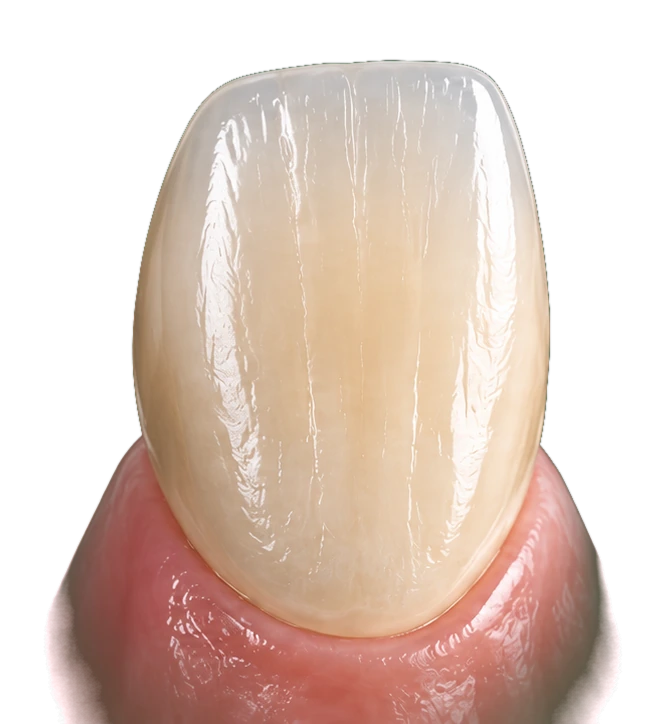
Conservative by design
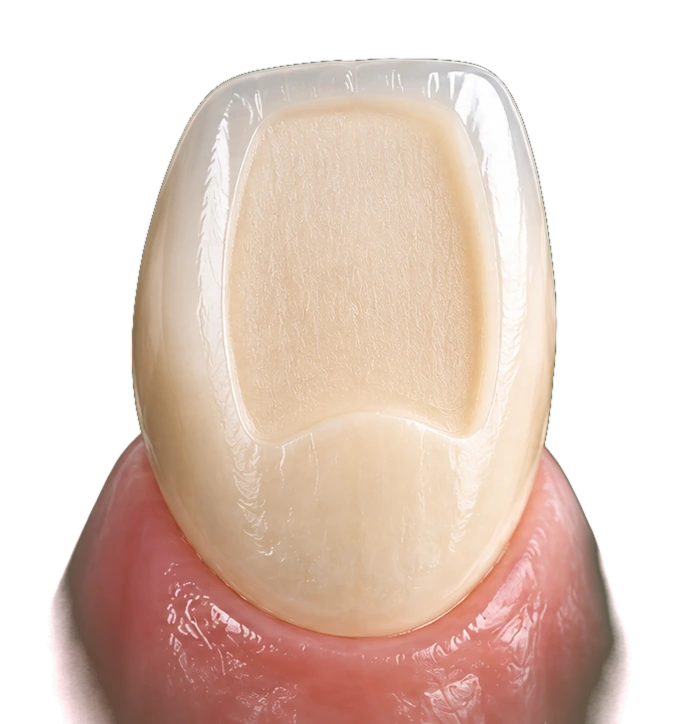
Beauty with strength
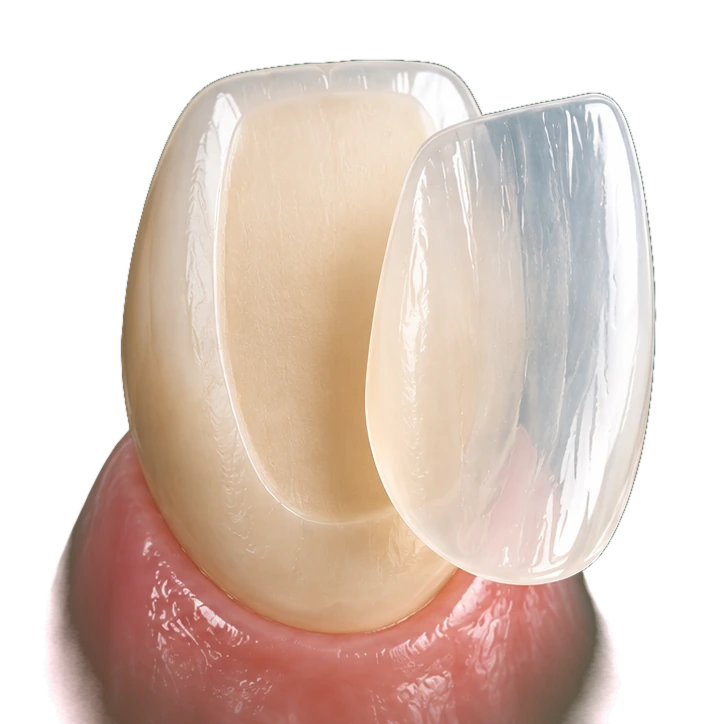
Every case begins with the most conservative preparation appropriate to your goals, anatomy and clinical situation.
Selected cases may require little or no enamel reduction, allowing for a highly conservative, enamel-preserving approach.
Biomimetic dentistry prioritizes preserving natural tooth structure and function, adding only what's needed to achieve a healthy, beautiful result.
Fear about veneers is almost always fear of the unknown. Here's exactly what happens — from the first conversation to the final seating.
Smile photography, RayFace 3D facial scan, iTero digital impressions, and an unhurried conversation about your goals. No recommendations until we understand your face.
RayFace merges your facial and dental data. Dr. Sellappan designs your new smile in context of your face — calibrating smile arc, incisal edge, and proportions before selecting any material.
You review the digital simulation on screen with Dr. Sellappan. Adjustments are made in real time. Treatment does not proceed until you approve the design.
Minimal enamel preparation. Temporary veneers placed while your final restorations are fabricated — you leave with an aesthetic smile and a final opportunity to give feedback.
Your porcelain veneers are seated and bonded with shade verification under clinical and natural light. The finish detail is where the difference between good and exceptional lives.
"You approve the design before final porcelain is created. Nothing moves forward until it feels right."
Veneer investment isn't arbitrary. At Smile Spot, IPS E.max porcelain veneers range from $1,800 to $2,500 per tooth, and composite bonding from $300 to $600, depending on the indication and treatment plan. The difference reflects material, planning time, ceramist artistry and the complexity of creating a restoration designed specifically for your smile. Every case is quoted transparently after your consultation — no surprises.
Flexible financing available through CareCredit and Cherry.
View financing optionsIPS E.max and feldspathic porcelain cost more than composite — because their optical behavior, strength and longevity are different. You see the difference in how light moves through the tooth, and how naturally it blends with your smile.
The RayFace facial analysis, digital simulation and temporary phase are part of the investment. They allow Dr. Sellappan to design a smile that fits your face, bite and goals — and separate results that last from ones that need revision.
Every Smile Spot veneer is fabricated to Dr. Sellappan's prescription — with custom shade mapping, surface texture and translucency layers. The ceramist is selected for the case, not the price point.
With proper case selection, placement and maintenance, porcelain veneers can provide many years of beautiful, stable results. The long-term value comes from doing it right the first time.
Material matters, but proportion, facial context, translucency and surface character determine whether a veneer belongs in the smile.
Preparation is determined by the tooth, material and restorative design, with the goal of preserving natural tooth structure whenever clinically appropriate.
Facial and dental records are used to plan the smile, with the proposed design reviewed with you before treatment proceeds.
IPS E.max, feldspathic porcelain and high-translucency zirconia offer different combinations of optical character and strength; selected cases may also be appropriate for an additive or no-prep approach.
Dr. Meenachi Sellappan evaluates tooth structure, enamel, bite and aesthetic goals before recommending a material or treatment approach.
A conversation, facial analysis, and digital preview of your result — that's how every veneer case begins.
CareCredit & Cherry financing available · Serving Venice, Nokomis, Osprey & Sarasota County